

Our Blogs

Explore expert-written articles covering taxation, compliance, audits, and smart financial planning.

Our Blogs

Let’s See Our Latest Project

Startup Registration: Legal Process, Business Structure and Compliance in India

What Is Startup Registration? Startup Registration is the process of legally establishing a business and completing the registrations applicable to its structure …

Virtual CFO Services provide businesses with access to strategic financial expertise without the cost and commitment of a full-time, in-house CFO. These …
GST Services: Reliable GST Compliance and Taxation Support for Businesses

Goods and Services Tax (GST) is an important part of India’s indirect taxation system. Businesses involved in the supply of goods or …

Financial transparency is essential for businesses that want to maintain accurate records, meet regulatory obligations, and make informed decisions. Auditing and Assurance Consultancy helps organisations evaluate their financial reporting practices, understand potential risks, strengthen internal controls, and improve accountability across business operations. From reviewing accounting records to assessing compliance requirements, a structured audit and consultancy approach can help business owners identify gaps before they become more significant concerns. The objective is not simply to examine financial documents but also to understand how financial processes operate and where practical improvements may be required. Every organisation has different reporting responsibilities, operational challenges, and financial objectives. An appropriate consultancy approach considers these differences and recommends services based on the organisation's circumstances, applicable regulations, and business requirements. What Is Auditing and Assurance Consultancy? Auditing and Assurance Consultancy combines audit-related services with professional guidance on financial reporting, internal controls, risk management, and relevant compliance processes. An audit involves examining evidence and forming an independent opinion or conclusion in accordance with the applicable standards. Assurance is a broader category of professional engagements designed to increase the confidence of intended users in specified information. Consultancy, by comparison, focuses on providing advice, identifying process gaps, and recommending improvements within the agreed scope. These services can support businesses in understanding their financial position, improving documentation, and establishing more consistent accounting procedures. However, consultancy does not replace a statutory audit, and an audit does not guarantee that every error, fraud, or compliance issue will be detected. Why Businesses Need Auditing and Assurance Consultancy Financial challenges often arise when records are incomplete, reporting procedures are inconsistent, or responsibilities are not clearly defined. Professional guidance can help businesses assess these issues and develop a more organised approach to financial management. 1. Accurate Financial Reporting Reliable financial information allows management to evaluate income, expenditure, assets, liabilities, and overall business performance. Reviewing financial records and supporting documentation can help identify inconsistencies and areas that require correction. 2. Stronger Internal Controls Internal controls establish procedures for authorising transactions, safeguarding assets, maintaining records, and reviewing financial activities. Consultancy can help identify control weaknesses and recommend suitable improvements based on the organisation's size and operational needs. 3. Regulatory and Statutory Compliance Businesses may have obligations under company law, taxation legislation, accounting standards, or sector-specific regulations. Auditing and Assurance Consultancy helps organisations understand relevant requirements and organise the information needed for applicable reporting and compliance activities. 4. Risk Identification and Assessment Financial and operational risks can affect reporting accuracy, cash flow, business continuity, and management decisions. A structured review can highlight areas requiring additional controls, documentation, or further professional investigation. 5. Better Financial Decision-Making Clear financial records provide a stronger basis for budgeting, forecasting, cost evaluation, and resource allocation. Although an audit does not make business decisions for management, reliable information can support more informed planning. Our Auditing and Assurance Consultancy Services The appropriate service depends on the organisation's legal structure, reporting obligations, financial processes, and specific objectives. Statutory Audit Support Statutory audits are required for certain entities under applicable legislation. In India, company statutory audits are principally governed by the Companies Act, 2013, and the relevant rules and professional standards. Businesses may need assistance organising financial statements, maintaining supporting records, responding to information requests, and understanding audit-related reporting requirements. Any statutory audit must be performed by a professional who meets the applicable eligibility and independence requirements. Internal Audit and Control Review Internal audit examines selected aspects of governance, risk management, and internal controls. A review may cover transaction approvals, purchasing procedures, inventory records, expense management, reconciliations, and the allocation of financial responsibilities. The findings can help management prioritise improvements and establish clearer procedures for monitoring business activities. Tax Audit and Compliance Consultancy Tax-related audit requirements depend on the applicable law and the taxpayer's circumstances. In India, Section 44AB of the Income-tax Act, 1961, provides for tax audit requirements in specified cases, subject to relevant conditions and exceptions. Consultancy may help businesses organise tax records, review accounting information, identify documentation gaps, and understand applicable reporting obligations. Specific tax positions and filing requirements should be verified against the law applicable to the relevant financial year. Financial Statement Review Financial statement review services focus on assessing specified financial information under the applicable engagement framework. The scope and level of assurance differ from a full audit. Businesses should select the engagement according to their reporting requirements and the expectations of intended users, such as management, lenders, investors, or other stakeholders. Risk Management Consultancy Risk management consultancy helps organisations identify areas where financial processes, authorisation systems, or operational procedures may require additional safeguards. Depending on the agreed scope, the review may consider financial reporting risks, payment controls, fraud prevention procedures, documentation practices, and business continuity concerns. Recommendations should be practical, proportionate, and relevant to the organisation's operations. Accounting Process and Documentation Review Consistent accounting practices make it easier to track transactions and prepare financial reports. A process review can identify gaps in recordkeeping, account reconciliation, supporting documentation, and reporting workflows. The resulting recommendations may include clearer responsibilities, improved documentation procedures, and more regular financial reviews. Our Approach to Auditing and Assurance Consultancy A well-defined process helps organisations understand the purpose of the engagement and the information required at each stage. Step 1: Understanding business requirements The initial discussion identifies the organisation's activities, reporting responsibilities, existing accounting processes, and primary concerns. Step 2: Defining the scope The service scope, relevant criteria, required documents, responsibilities, and expected deliverables are established before work begins. Step 3: Reviewing records and procedures Relevant financial records, reconciliations, transaction documents, and internal procedures are examined according to the engagement's objectives. Step 4: Identifying gaps and risks Potential inconsistencies, documentation weaknesses, and control concerns are evaluated. Further evidence may be requested where necessary. Step 5: Providing practical recommendations Where consultancy is included, recommendations focus on addressing identified gaps, improving workflows, and strengthening financial oversight. Step 6: Reporting and follow-up The engagement concludes with the appropriate report, findings, or recommendations. Any subsequent implementation or follow-up review is agreed separately, where required. Who Can Benefit from Auditing and Assurance Consultancy? Auditing and Assurance Consultancy may be relevant to a range of organisations, including: Private Limited Companies: Businesses managing statutory reporting, financial controls, and corporate compliance obligations. Small and Medium-Sized Enterprises: Organisations seeking more consistent accounting practices and improved financial oversight. Startups and Growing Businesses: Companies developing financial procedures, reporting systems, and internal responsibilities. Partnership Firms and Other Business Entities: Organisations requiring support with applicable accounting, tax, or audit obligations. Established Organisations: Businesses reviewing existing controls, risk management practices, and financial reporting processes. The services required will vary according to each organisation's structure, size, and legal obligations. Preparing Your Business for an Audit Preparation can reduce avoidable delays and make relevant financial information easier to review. Businesses should maintain organised records and establish a clear process for responding to document requests. Useful preparation measures include: Keeping accounting records updated and properly classified. Reconciling bank accounts and significant ledger balances. Organising invoices, contracts, payroll records, and tax documentation. Maintaining evidence for significant transactions and accounting estimates. Documenting approval procedures and financial responsibilities. Reviewing previous findings and recording corrective actions. Confirming applicable reporting deadlines and statutory requirements. The exact documentation will depend on the nature and scope of the engagement. Choosing the Right Auditing and Assurance Consultancy Partner Selecting a suitable professional requires more than comparing service fees. Businesses should evaluate relevant qualifications, professional competence, experience with similar reporting requirements, confidentiality practices, and the ability to communicate findings clearly. It is also important to confirm the scope of services, expected timelines, reporting responsibilities, and applicable professional independence requirements. Where a statutory audit is required, the appointed auditor must satisfy the relevant legal and professional conditions. A clear engagement agreement helps both parties understand what the work covers, what information must be provided, and which responsibilities remain with management. Frequently Asked Questions What does Auditing and Assurance Consultancy include? Depending on the engagement, it may include audit-related support, financial reporting reviews, internal control assessments, risk evaluation, documentation reviews, and compliance consultancy. The precise scope should be agreed in advance. Is consultancy the same as an audit? No. An audit follows a defined framework and provides an audit opinion or other prescribed conclusion. Consultancy generally provides advice and recommendations. The two services may complement each other but serve different purposes. Is an audit compulsory for every business in India? No. Requirements depend on the entity's legal form, applicable legislation, financial circumstances, and other relevant conditions. Businesses should verify their obligations for the relevant reporting period. Can Auditing and Assurance Consultancy help improve internal controls? Yes. Within an agreed scope, consultancy can identify weaknesses in processes and recommend improvements to transaction approvals, documentation, reconciliations, and financial monitoring. What documents are generally needed? Common documents include financial statements, accounting ledgers, bank statements, invoices, contracts, tax records, reconciliations, and evidence supporting material transactions. Requirements vary by engagement. Make Financial Clarity Part of Your Business Strategy Effective financial oversight requires accurate records, clearly defined processes, and a practical understanding of applicable obligations. Auditing and Assurance Consultancy can help businesses evaluate existing practices, identify areas for improvement, and develop a more organised approach to financial reporting and risk management. If your organisation needs assistance reviewing its financial processes or understanding its audit-related responsibilities, arrange a consultation to discuss your specific requirements. A clearly defined scope and appropriate professional guidance can help you identify the next steps for improving financial transparency and business accountability.

Financial transparency is essential for businesses that want to maintain accurate records, meet regulatory obligations, and make informed decisions. Auditing and Assurance …

Taxation is an important part of financial planning for individuals, businesses and organisations. Understanding applicable tax requirements, maintaining accurate records and meeting …

Income Tax: A Practical Guide to Planning, Compliance and Advisory

Income tax is an important part of financial planning for individuals businesses and professionals. Understanding how taxable income is determined which deductions …

GST Return: Filing Process, Compliance, Input Tax Credit and Key Considerations

GST return filing is an important compliance requirement for businesses registered under the Goods and Services Tax (GST) regime in India. GST …

Payroll Management Services: Streamlining Salary Processing and Employee Compensation

Payroll is a critical business function that involves calculating employee salaries, managing deductions, maintaining payroll records, and ensuring timely payments. An efficient …

Income Tax Services

Income tax is more than an annual filing requirement. For individuals, professionals, businesses, and multinational organisations, taxation can influence financial planning, business …

financial accounting services in Noida

Accurate financial records are essential for every business, whether it is a growing startup, an established company, or an organisation operating across …
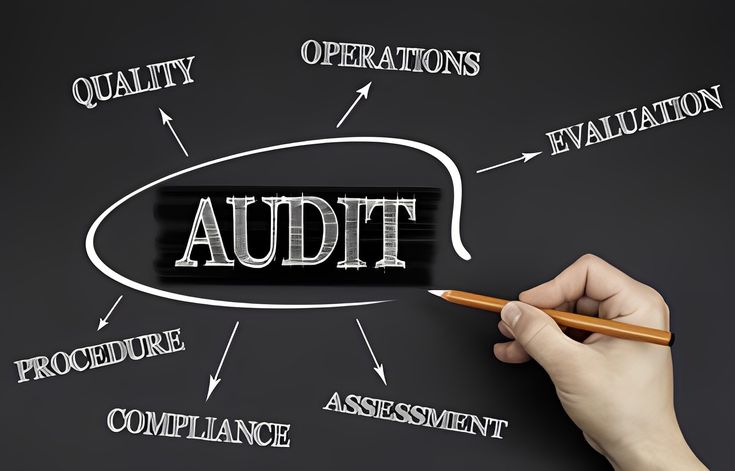
Auditing and Assurance: Strengthening Financial Accuracy, Transparency, and Trust

Auditing and assurance services play an important role in improving the reliability, transparency, and credibility of financial and business information. Organizations rely …

Income Tax: Compliance, Planning, and Legal Guidance for Individuals and Businesses

Income tax is an important part of the financial and regulatory framework for individuals, businesses, companies, professionals, and other taxpayers. Understanding income …

GST Compliance

  Goods and Services Tax (GST) has transformed the indirect taxation system in India by bringing various indirect taxes under a unified …
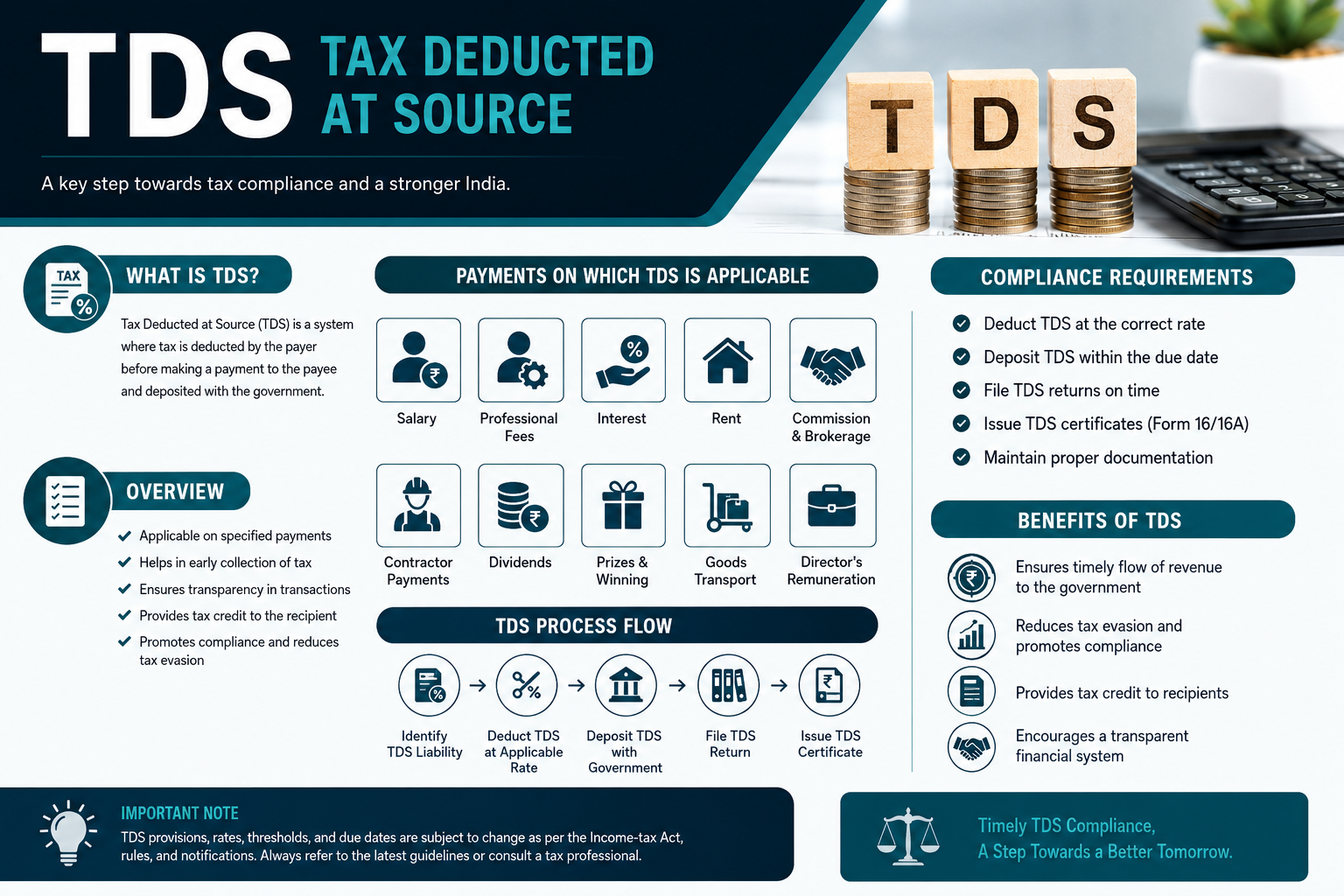
Tax Deducted at Source (TDS) is an important mechanism under the Indian income tax system that helps the government collect tax at …

Accounting Services are an essential part of every successful business, regardless of its size or industry. Accurate accounting helps businesses maintain organized …

Payroll management is one of the most important administrative functions of any organization. It involves calculating employee salaries, managing deductions, processing payments, …

Corporate finance is one of the most important areas of business management, focusing on how companies plan, manage, invest, and utilize their …

  Tax Deducted at Source (TDS) is one of the most important components of India’s taxation system. Introduced under the Income Tax …

Audit and assurance services play a vital role in maintaining the financial integrity, transparency, and credibility of businesses. Whether you are a …

In today’s dynamic business environment, maintaining financial transparency, regulatory compliance, and stakeholder confidence is essential for sustainable growth. Audit and Assurance Services …

The Goods and Services Tax (GST) is one of the most significant tax reforms introduced in India. It replaced multiple indirect taxes …

Income tax is a crucial part of India’s financial and economic system. It is levied by the Government of India on the …

Corporate services are essential for businesses that want to operate efficiently, remain compliant with legal regulations, and achieve sustainable growth. Whether you …

Accounting services are the foundation of every successful business. Whether you are a startup, a small business owner, or a large corporation, …

In today’s competitive and highly regulated business environment, maintaining accurate financial records and ensuring legal compliance are more important than ever. Whether …

Income tax is one of the most important components of India’s financial and economic system. It is a direct tax levied by …

The Goods and Services Tax (GST) is one of the most significant tax reforms introduced in India, bringing multiple indirect taxes under …

In today’s complex business environment, organizations are expected to maintain accurate financial records, comply with regulatory requirements, and build trust among stakeholders. …

  Income tax is one of the most important sources of revenue for the Government of India and plays a vital role …

Income Tax: Understanding Taxation, Compliance, and Financial Responsibility

Income tax is one of the most important components of a country’s financial system. It is a direct tax imposed by the …

Audit Services: Importance, Types, Process & Benefits for Businesses

Audit services play a vital role in maintaining financial transparency, regulatory compliance, and operational efficiency for businesses and organizations. In today’s competitive …

The Goods and Services Tax (GST) is one of the most significant tax reforms introduced in India to simplify the indirect taxation …

Income Tax in India: Meaning, Types, Filing Process, and Legal Compliance

Income tax is one of the most important components of the financial and economic system in India. It is a direct tax …

Corporate Finance: Importance, Functions, Financial Management, and Business Growth

Corporate finance is one of the most important aspects of modern business management. It focuses on how companies manage their financial resources, …

Corporate consulting plays a vital role in helping businesses improve performance, manage risks, enhance operational efficiency, and achieve long-term growth. In today’s …

GST: Understanding Goods and Services Tax and Legal Compliance in India

Goods and Services Tax (GST) is one of the most significant tax reforms introduced in India to simplify the indirect taxation system. …

Income Tax in India: Complete Guide to Rules, Compliance, and Legal Aspects

Income tax is one of the most important sources of revenue for the Government of India. It is a direct tax levied …

Compliance Services: Building Legal Security and Business Trust

Compliance Services are essential for every business that wants to operate legally, avoid penalties, and build long-term trust with customers, investors, and …

Financial Accounting: Complete Guide to Business Records, Reporting and Financial Decision-Making

  Financial accounting is one of the most important functions of any business, helping organizations record, summarize, and report financial transactions in …

Virtual CFO: Meaning, Services, Benefits, and Role in Modern Businesses

  A Virtual CFO (Chief Financial Officer) is a professional financial expert who provides CFO-level services to businesses remotely or on a …

Income Tax in India: Complete Guide to Tax Slabs, Filing Process, Deductions & Legal Compliance

  Income Tax is one of the most important sources of revenue for the Government of India. It is a direct tax …

Financial Accounting in India: Complete Guide for Businesses and Professionals

Financial accounting is a cornerstone of modern business management, providing accurate, structured, and reliable financial information that enables organizations to make informed …

Financial Advisory Services: How to Plan, Invest, and Secure Your Future

  In today’s fast-paced world, managing finances effectively has become more critical than ever. Financial advisory services play a vital role in …

Financial Advisory Services: How to Plan, Invest, and Secure Your Future

Financial accounting is the backbone of every successful business. It involves the systematic recording, summarizing, and reporting of financial transactions to provide …

Due Diligence in India: A Complete Expert Guide for Businesses & Investors

Due Diligence in India: Due diligence is a critical process that helps businesses and investors make informed decisions before entering into any …

Audit Services in India: Ensuring Accuracy, Compliance, and Trust

In today’s fast-paced business environment, financial accuracy and compliance are more critical than ever. Businesses, whether startups, SMEs, or large corporations, rely …

Income Tax Services in India: Expert Guidance for Accurate Filing and Compliance

Income Tax Services in India: Filing income tax in India can be a daunting task for both individuals and businesses due to …

Business Valuation 2026: Expert Strategies for Accurate Company Appraisals

Business Valuation 2026: Business valuation is a critical process for entrepreneurs, investors, and stakeholders. Whether you are planning a merger, acquisition, fundraising, …

Audit Services Explained: Expert Insights for Compliance and Accountability

In today’s complex business environment, maintaining financial accuracy and regulatory compliance is crucial for companies of all sizes. Audit services play a …

Financing Advisory Services: A Complete Guide for Business Funding and Growth

Financing Advisory Services: A Complete Guide for Business Funding and Growth Access to adequate funding is one of the most important factors …

Financial Accounting Explained: A Practical Guide for Businesses and Professionals

Financial Accounting Explained: A Practical Guide for Businesses and Professionals Financial accounting plays a vital role in the financial health and transparency …

India continues to attract significant foreign investment due to its expanding market, regulatory reforms, and growing digital economy. However, cross-border investment transactions …

Consulting Services Made Simple: Expert Tips for Efficient Business Solutions

Consulting Services Made Simple: In today’s competitive business landscape, organizations face a wide range of challenges, from operational inefficiencies to strategic planning …

Finance is the backbone of every successful business and personal investment plan. Whether you are starting a new company, expanding operations, buying …

Family Financial Accounting: A Complete Guide to Managing Household Finances

In today’s fast-paced world managing personal and family finances has become more crucial than ever. Family financial accounting is not just about …

Startup India Seed Fund Scheme (SISFS): Fueling India's Entrepreneurial Dreams

Introduction The Startup India Seed Fund Scheme (SISFS) is a game-changing initiative by the Department for Promotion of Industry and Internal Trade …

Financial Due Diligence in Mergers & Acquisitions

Mergers and acquisitions (M&A) are transformative events in the life of any business. While promising growth and synergies, they also carry inherent …

Compliance Calendar for ROC Returns for FY 2024-25

This compliance calendar details the critical due dates for filing various forms with the Registrar of Companies (ROC) for the financial year …

10 Financial Metrics Every Startup Founder Should Track

As a startup founder, your journey is exciting but filled with challenges. Making informed decisions about your company’s financial health is crucial for long-term …

Financial Mistakes to Avoid in Your Startup's First Year: A Guide for Founders

Launching a startup is an exciting endeavor, but the first year is a critical period where financial missteps can have lasting consequences. …

Choosing the Right Business Structure in India

Embarking on your entrepreneurial journey involves a myriad of crucial decisions, and selecting the right business structure is among the most important. …

Building a Scalable Financial Infrastructure for Your Startup

As a startup founder, your focus is on innovation, growth, and bringing your vision to life. However, without a solid financial infrastructure …

Loan to Directors - decoding Sec. 185

Section 185 of the Companies Act, 2013, deals with loans and investments made by a company to its directors. It lays down …

Crafting a Winning Business Plan for Your Indian Startup: A Comprehensive Guide

Embarking on a startup journey in India is both exciting and challenging. Amidst the enthusiasm and innovative ideas, a crucial element stands …

The thrill of launching a startup is often accompanied by a multitude of uncertainties. Will your business idea resonate with the market? …